
Medicinal Uses: The Science Within the Scent
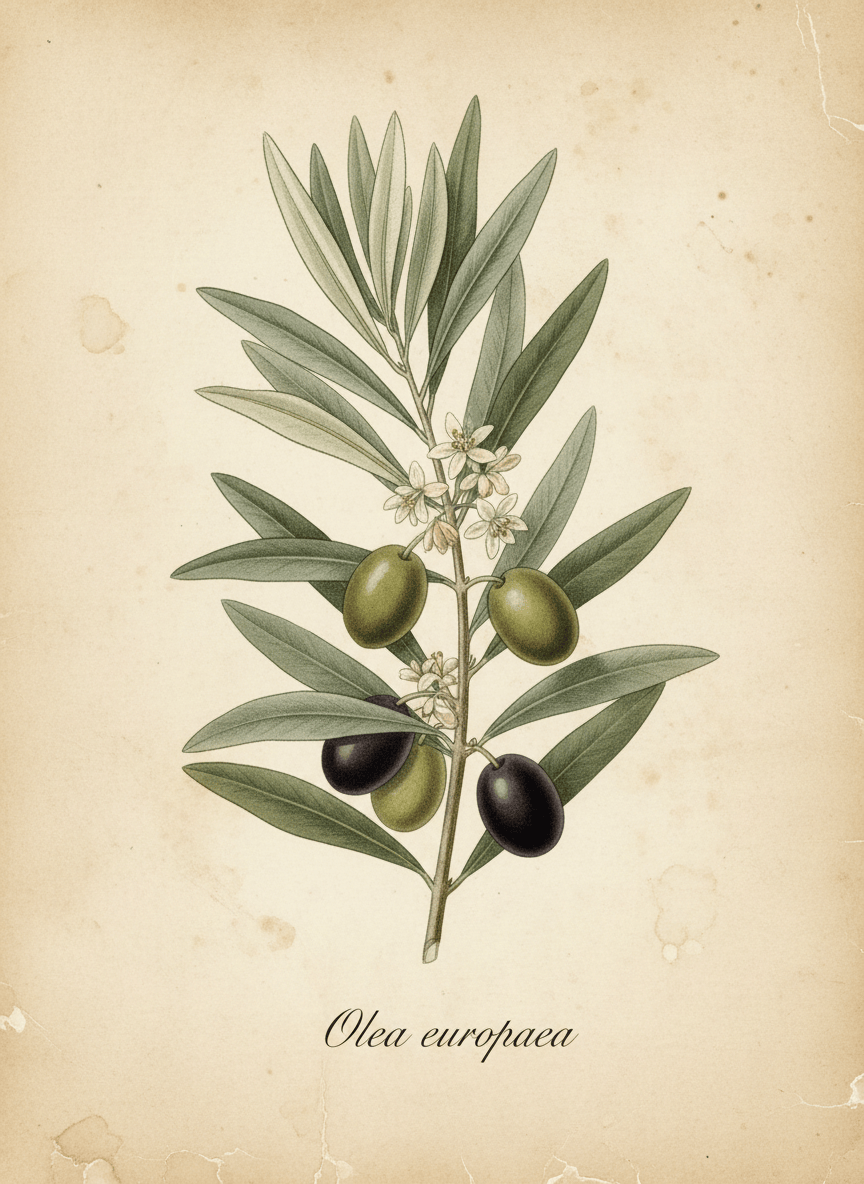
Castile soap, in its truest form, is astonishingly simple: a vegetable-based cleanser originally crafted with 100% olive oil and soft rainwater, born of sun-drenched groves in the Castile region of Spain. Yet within that simplicity lies a quiet, medicinal elegance. Olive oil is naturally rich in fatty acids and antioxidants, which help support the skin’s barrier as it cleanses, lifting away impurities while leaving the skin’s own protective mantle largely intact. Where harsher detergents strip and irritate, traditional Castile soap tends to cleanse in harmony with the skin’s natural rhythms.
Because it is typically free from synthetic surfactants, artificial fragrances, and harsh foaming agents, Castile soap is often chosen by those with sensitive, dry, or easily-reactive skin. Its gentle lather can help maintain a more balanced pH on the skin’s surface, which in turn may support the microbiome that quietly tends to our outermost layer. Many people find that, when used appropriately and diluted well, Castile soap leaves their skin feeling clean yet supple rather than tight or overstripped — a small but meaningful difference for complexions that demand extra care.
This same softness extends beyond facial care. Castile soap can serve as a versatile companion throughout a daily ritual of wellbeing: transformed into a silky body wash, used as a gentle shampoo for some hair types, or diluted into a hand soap that does not demand the tradeoff of comfort for cleanliness. In homes where fragrances are chosen with intention and synthetic additives are avoided whenever possible, Castile soap often becomes a staple — a quiet, reliable foundation upon which more aromatic botanical blends can be layered.
Its usefulness also reaches into the spaces around us. Because Castile soap is biodegradable and made from plant-derived oils, it is often favored by those who seek to minimize the environmental burden of their routines. Properly diluted, it can serve as an all-purpose household cleaner for counters, floors, and fabrics, a single, gentle concentrate replacing an array of synthetic-laden products. In this way, one bottle can touch many corners of a life — a reminder that caring for our surroundings and caring for our skin need not be separate acts.
While Castile soap has long been associated with comfort, cleansing, and the soothing of delicate skin, it is important to remember that it is not a medicine in itself, nor a replacement for professional care. Any potential benefits described here are general in nature and may not be suitable for all individuals or all skin conditions. This discussion is offered for educational and informational purposes only and should not be taken as medical advice. For concerns about your skin, health, or the use of Castile soap in specific circumstances, please consult a qualified healthcare professional.
Cultural & Historical Significance: A Lather Woven Through Time
The story of Castile soap reaches back much farther than the orchards of Spain. Its lineage is often traced to the ancient soap-makers of Aleppo, in what is now Syria, where artisans combined olive oil with laurel oil and lye, then cured the dense green blocks for months until they emerged pale and fragrant. These early soaps were prized for their purity and gentle cleansing, becoming a cherished trade good that traveled along the great routes of commerce and culture, carrying with them the quiet luxury of ritual bathing.
As Crusaders and merchants moved between the Levant and Europe, they encountered these remarkable soaps and carried their methods and mystique westward. Across the Mediterranean, local makers experimented, adapting techniques to the oils that defined their own landscapes. In the Castile region of Spain, where olive trees anchored both economy and identity, soap-makers began to refine a recipe that relied solely on olive oil. The result was a pale, firm bar — milder than many of its tallow-based European counterparts — that would eventually lend its name to an entire tradition of plant-based soap.
From Spain, Castile soap traveled to Italy, France, and England, where it was at times so esteemed that it attracted royal protection and political debate. In some periods, olive-based Castile soap was treated almost as a luxury import, standing in contrast to the animal-fat soaps produced more commonly in northern climates. Its reputation for gentleness and refinement made it desirable among those who could afford a softer kind of cleanliness, and from the ports of Europe it eventually crossed the Atlantic, finding its way into the households of the American colonies.
Over centuries, as industrial chemistry advanced and synthetic detergents rose to prominence, Castile soap moved from the center of domestic life to the quieter margins. Yet it never fully disappeared. Instead, it lingered in apothecaries, traditional markets, and the hands of artisans who continued to value the elegance of a simple, olive-based bar. In recent decades, as interest in natural, organic, and environmentally conscious living has grown, Castile soap has experienced a gentle revival — no longer an exotic import, but a reassuringly familiar ally in an age of complex ingredient lists.
Today, when we reach for Castile soap, we hold more than a humble cleanser; we touch a thread that connects ancient Aleppo, medieval Spain, bustling European ports, and modern studios where small-batch makers labor over kettles with the same quiet care. Each bottle or bar carries echoes of bathhouses and washbasins, of linens scrubbed by hand and skin tended with reverence. It is a tradition that reminds us that cleanliness, at its best, is not a sterile erasure but a mindful act of renewal.
Closing Reflection: The Quiet Alchemy of Water and Oil
In the gentle lather of Castile soap, we are invited to rediscover cleansing as a kind of quiet alchemy: water and oil meeting to release the day’s accumulation, making space for softness, breath, and beginning again. This is the spirit that guides Pink Phoenix by Amy in northwest Indiana — small-batch, handcrafted creations made with essential oils and organic ingredients, thoughtfully composed without synthetic shortcuts. Each bar, each bottle, is an offering toward a more intentional ritual, where what touches your skin and fills your space participates in a wider story of care. In this way, the legacy of Castile soap lives on not just as a historical curiosity, but as a living practice of renewal: a daily, fragrant reminder that we can emerge from the ordinary ashes of our routines a little clearer, a little more luminous, each time we step into the water.
 Pink Phoenix by Amy
Leave a comment