
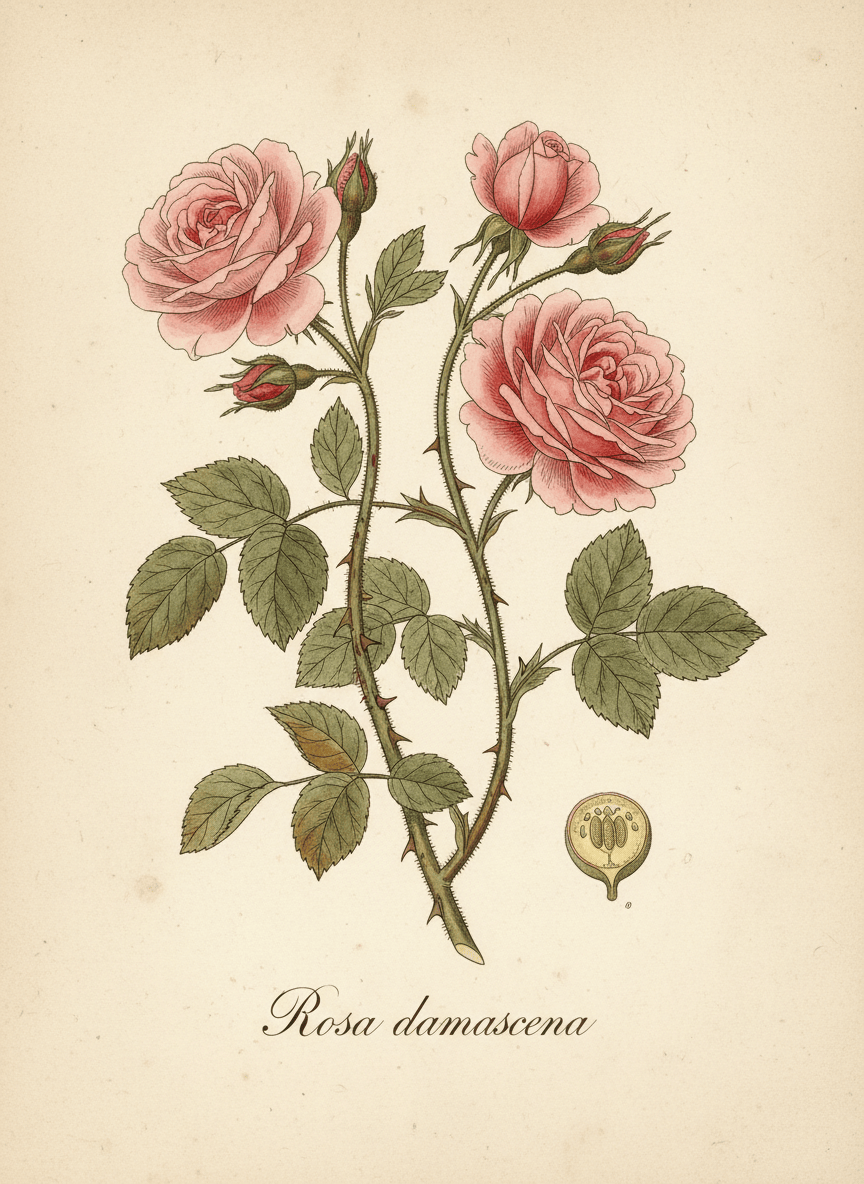
Medicinal Uses: The Science Within the Scent
Rose hydrosol, often called rose water, is the tender counterpart to rose essential oil—the floral water that rises from the steam as petals surrender their aromatic soul. Where the essential oil is concentrated and potent, the hydrosol is gentle, cool, and whisper-soft on the skin, carrying water-soluble compounds that comfort rather than overwhelm. This makes rose hydrosol especially suited to delicate complexions, offering a quiet, steady support to the skin’s own rhythms of renewal.
As a skin toner, rose hydrosol helps bring a sense of balance. Its mildly astringent qualities can encourage the appearance of refined pores, while its hydrating nature lends a dewy suppleness rather than a stripped or tight feeling. Used as a facial mist, it can soften the sensation of dryness from indoor heat, air conditioning, or long days in front of a screen, gently refreshing the skin throughout the day. Many find that incorporating rose hydrosol between cleansing and moisturizing helps their skin feel more receptive, as though the complexion has taken a slow, deep breath.
Beyond its cosmetic grace, rose hydrosol carries a subtle aromatherapeutic presence. The misted fragrance is softer than pure essential oil, yet still evocative of petals, dawn, and gardens after rain. For some, this quiet veil of scent can help ease feelings of tension, inviting the nervous system to unwind. A few deep inhales over a freshly misted face or pillow may become a small ritual of calm in the midst of a hurried day, a sensory reminder to pause and return to oneself.
Modern research into rose preparations suggests that the plant’s aromatic constituents can offer anti-inflammatory and antioxidant properties. While rose hydrosol is more dilute than the essential oil, it still carries traces of these supportive compounds in a form that many sensitive skin types can embrace. Used regularly as a toner or facial mist, it can be a gentle ally for skin that feels reactive or weather-worn, offering a softening counterpoint to environmental stressors such as pollution, wind, and sun exposure.
As with all botanically based preparations, individual experiences will vary, and rose hydrosol is not a substitute for professional medical care. The reflections shared here are for educational and informational purposes only and are not intended as medical advice, diagnosis, or treatment.
Cultural & Historical Significance: Dew from a Timeless Garden
The story of rose hydrosol reaches back through centuries, following the pathways of steam and petal through ancient distillation rooms, palace gardens, and sacred spaces. In Persia, where the art of distillation blossomed, rose water became a treasured essence, woven into daily rituals and royal celebrations alike. Its fragrance was more than ornament; it was an atmosphere, a delicate thread connecting the human heart to the living world of flowers.
Egyptian traditions, too, are steeped in the lore of the rose. Cleopatra is said to have favored rose water, its fragrance perfuming baths, garments, and the air itself. In these early uses, rose hydrosol bridged beauty and symbolism—a sign of refinement, sensuality, and reverence. To walk through rose-scented halls was to step into an intentional space, curated not only for the eye but for the spirit.
In the Ottoman Empire, rose water became both a culinary and devotional companion. The famed rose fields of places like Isparta gave rise to fragrant distillations used to flavor sweets, cool drinks, and celebratory dishes. Rose water was also offered to guests as a sign of welcome, its delicate scent rising from silver vessels and crystal flasks. In religious and spiritual contexts, its perfume washed over gatherings like a blessing, a fragrant acknowledgment of the sacred within the everyday.
Throughout Europe, particularly in the Victorian era, rose water found a cherished place on dressing tables and in kitchen cupboards. It perfumed handkerchiefs and letter paper, softened complexion tonics, and lent its flavor to cakes, custards, and preserves. This dual life—at once cosmetic and culinary—echoed older traditions from the Middle East and North Africa, where the line between medicine, fragrance, and food has long been gracefully blurred.
Across civilizations, rose hydrosol has moved quietly through time as a symbol of softness, hospitality, and devotion. Whether misted on the skin, poured into confections, or offered in ceremonies, it has served as a fragrant bridge between body and ritual, between the fleeting bloom and the enduring memory of its scent.
Closing Reflection: Rising Petals, Quiet Alchemy
In every bottle of rose hydrosol, there is a story of transformation: petals gathered at first light, steam lifting their essence skyward, and cool liquid condensing back into something new Yet still faithful to the flower. This gentle alchemy is at the heart of Pink Phoenix by Amy in northwest Indiana, where small-batch, handcrafted creations honor the beauty of natural materials and the power of renewal. By choosing hydrosols and fragrances made with essential oils and organic ingredients, without synthetics, we say yes to a slower, more intentional way of tending our senses. Like the phoenix that rises from its own ashes, the rose reminds us that from each cycle of change, something tender and luminous can be reborn—a soft mist on the skin, a breath of calm in the air, a quiet invitation to begin again.
 Pink Phoenix by Amy
Leave a comment