
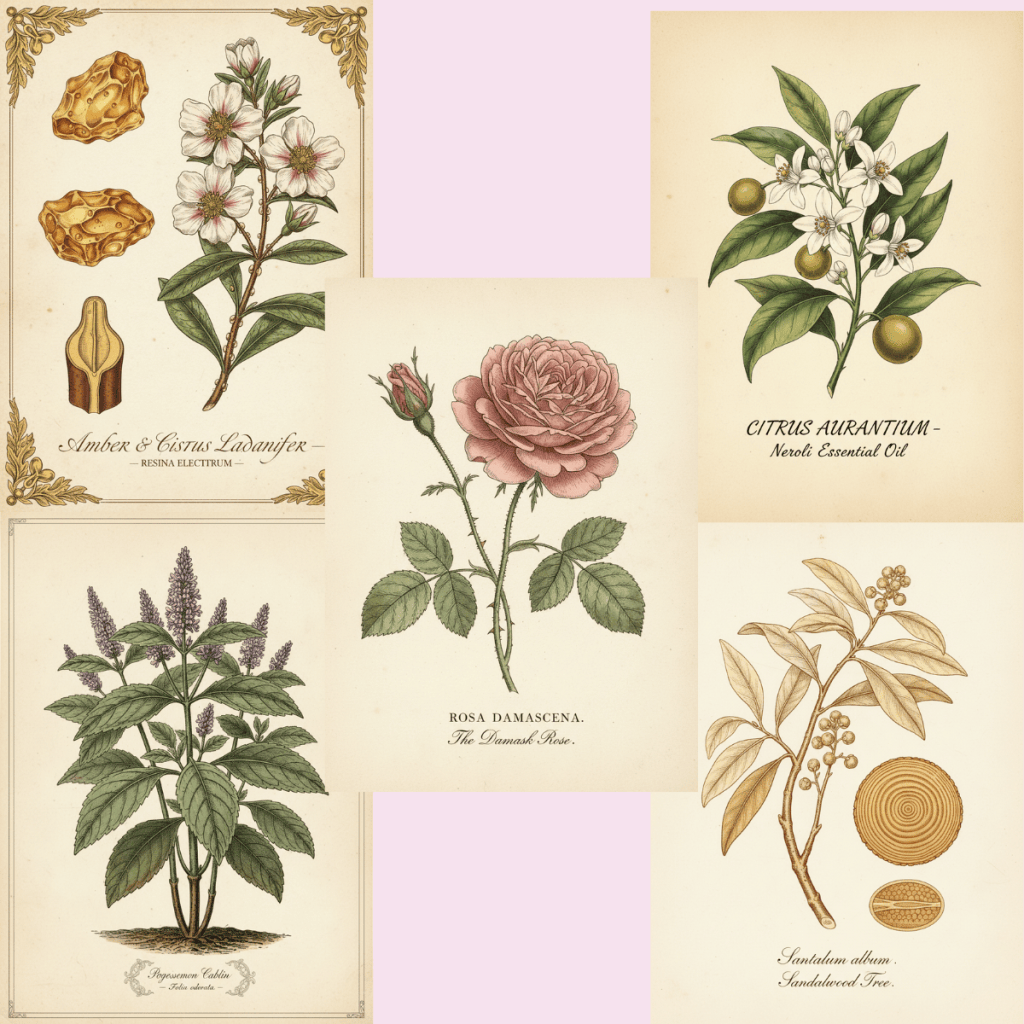
How to Layer Natural Fragrances
There is something quietly magical about a fragrance that feels like it was made just for you. With natural perfumes, that magic becomes even more personal. Because they are crafted with essential oils and organic ingredients instead of synthetics, they shift, soften, and reveal themselves over time — especially when you layer them with intention.
At Pink Phoenix by Amy in Knox, Indiana, every blend is created with real botanicals, not lab-built imitations. That makes layering less of a formula and more of an art form: a way to explore transformation, renewal, and elegance on your own skin — especially through the interrelated scent family of amber, argan oil, bergamot, rose hydrosol, sweet orange, sandalwood, patchouli, pink peppercorn, clove, blood orange, and lemon.
What Is Fragrance Layering?
Fragrance layering is the practice of wearing more than one scent at the same time so they mingle and create a custom signature. You might combine two perfumes, or build a subtle “fragrance wardrobe” with body oil, lotion, and a final spritz of perfume.
With synthetic perfumes, layering can sometimes feel flat or overpowering. Many conventional fragrances are built around a few strong aroma chemicals that dominate from start to finish. Natural fragrances are different. Essential oils contain dozens of aromatic compounds, each with its own personality. On your skin, they breathe, evolve, and interact with the warmth of your body. When you layer naturals — particularly materials like amber, argan oil, bergamot, rose hydrosol, sweet orange, sandalwood, patchouli, pink peppercorn, clove, blood orange, and lemon — you are not just stacking scents, you are inviting them into conversation.
The Basic Principle: Build From the Base Up
Whether you are working with one Pink Phoenix perfume or several, a simple structure helps: start with the heaviest, longest-lasting scents and finish with the lightest.
Base notes are your anchors. These are rich, grounding scents like amber, sandalwood, or nourishing argan oil–based blends, often deepened with patchouli or a gentle hint of clove. They cling to the skin and linger for hours.
Heart (middle) notes add character and emotion. In the Pink Phoenix palette, this might include soft, glowing touches of rose hydrosol, a rounded amber accord, or a subtle thread of pink peppercorn that carries warmth and gentle spice through the entire wear.
Top notes are bright and fleeting. Here, bergamot, sweet orange, blood orange, and lemon sparkle at the beginning, then gently fade to reveal the warmth beneath.
When you layer, apply the deepest, most grounding scent first — usually one built around amber, sandalwood, patchouli, clove, or an argan-oil-rich base. Then add your tender floral glow from rose hydrosol, perhaps with a whisper of pink peppercorn for soft spice. Finish with a veil of uplifting citrus such as bergamot, sweet orange, blood orange, or lemon. This gives the base time to melt into your skin so the whole composition feels seamless instead of chaotic.
Why Natural Fragrances Are Ideal for Layering
Natural fragrances made with essential oils and organic ingredients are inherently complex. A single drop of pure essential oil can contain dozens of aromatic molecules, all evolving at slightly different speeds. When you blend and layer them, you create a scent that moves with you instead of sitting on top of your skin.
This nuance is exactly what makes natural perfumes from Pink Phoenix by Amy so rewarding to layer — especially when you work within one thoughtfully curated, interrelated scent family of amber, argan oil, bergamot, rose hydrosol, sweet orange, sandalwood, patchouli, pink peppercorn, clove, blood orange, and lemon:
- Depth without harshness — Amber, sandalwood, patchouli, clove, and argan-oil bases feel rich and enveloping, but they rarely have the sharp, synthetic “edge” that can make layering overwhelming.
- A scent that feels alive — As notes like bergamot, rose hydrosol, sweet orange, blood orange, lemon, and pink peppercorn warm and open on your skin, new facets appear. Layering lets you highlight the ones you love most.
- Seamless transitions — Because amber, argan oil, bergamot, rose hydrosol, sweet orange, sandalwood, patchouli, pink peppercorn, clove, blood orange, and lemon all share complementary, plant-derived depths and brightness, they often blend more gracefully than a mix of unrelated synthetics.
The result is a fragrance that doesn’t smell like everyone else’s. It smells like you.
Tips for Layering Natural Fragrances Successfully
You do not need a huge collection to start layering. A few thoughtfully chosen naturals from one cohesive Pink Phoenix scent family can yield endless combinations. These practical guidelines will help you experiment with confidence.
1. Choose Complementary, Not Competing, Scent Families
Think of scent families the way you’d think of colors in your wardrobe. Some pairings are naturally harmonious; others fight for attention. Within the Pink Phoenix world, amber, argan oil, bergamot, rose hydrosol, sweet orange, sandalwood, patchouli, pink peppercorn, clove, blood orange, and lemon form a versatile, interrelated family that can be combined in many ways without clashing.
- Complementary pairings often include:
- Bright citrus + warm base: Sparkling bergamot, sweet orange, blood orange, or lemon over an amber, sandalwood, patchouli, clove, or argan-oil-rich base feels clean, uplifting, and quietly sophisticated.
- Soft floral glow + comforting warmth: A delicate mist of rose hydrosol layered over amber or sandalwood, perhaps with a gentle touch of patchouli, creates a radiant, almost glowing effect that feels like soft light on skin.
- Amber embrace + citrus lift: A smooth amber foundation — possibly deepened with sandalwood or patchouli — brightened with bergamot, sweet orange, blood orange, or lemon becomes both sensual and approachable, wrapping you in warmth while keeping the overall impression airy.
- Potential clashes can happen when you mix too many bold personalities at once — for example, very heavy doses of amber, patchouli, and clove layered with multiple intense citrus accents. Aim for one clear star and one or two gentle supporting notes instead of trying to use everything at once.
If you are unsure, start with one clear star — perhaps amber, rose hydrosol, bergamot, sweet orange, blood orange, lemon, sandalwood, patchouli, pink peppercorn, clove, or an argan-oil-focused blend — and support it with a softer, more transparent partner from the same family.
2. Anchor With Unscented Lotion or Oil
Natural fragrances often sit closer to the skin than synthetics, which is part of their charm. To help them last, apply an unscented, skin-loving base first.
- After bathing, apply an unscented lotion or organic body oil to slightly damp skin.
- Let it sink in for a minute, then apply your first (heavier) fragrance layer.
- Follow with your second, lighter layer on top.
The moisturizer gives the essential oils something to cling to, helping them wear more evenly and stay present throughout the day.
3. Focus on Key Pulse Points — But Don’t Overdo It
Pulse points — where blood vessels are close to the surface — naturally warm your fragrance and help it bloom. Classic areas include the wrists, inner elbows, base of the throat, and behind the ears.
For layering, try this approach:
- Apply your base fragrance on the inner forearms and at the base of the throat.
- Apply your second layer lightly on the wrists and just behind the ears.
- If you like a gentle aura rather than a strong trail, mist one layer into the air and walk through it to scent your hair and clothing.
Remember: because natural fragrances are nuanced, it is better to start with less and add a touch more later than to overwhelm your senses at once.
4. Give Each Layer a Moment
Natural materials need a little time to unfold. When layering, apply your first scent and wait a minute or two before adding the next. This brief pause allows the base to settle into your skin so the second fragrance can weave through it gracefully.
As the hours pass, notice how the composition changes: which notes linger, which ones whisper softly in the background, and how the overall mood evolves. This awareness is how you learn what truly feels like you.
Inspiring Natural Layering Ideas
You can use these pairings as a starting point with your Pink Phoenix by Amy fragrances or any natural perfumes you already love that feature amber, argan oil, bergamot, rose hydrosol, sweet orange, sandalwood, patchouli, pink peppercorn, clove, blood orange, or lemon.
- Morning clarity: A grounding amber, sandalwood, patchouli, clove, or argan-oil-rich base, topped with bergamot, sweet orange, blood orange, or lemon. The result is calm yet bright — ideal for workdays or fresh beginnings.
- Soft romantic: A warm, enveloping amber and sandalwood base softened with a veil of rose hydrosol, a pinpoint of pink peppercorn, and just a hint of bergamot, sweet orange, blood orange, or lemon for lift. It feels like silk and candlelight.
- Cozy evening: Start with a gently cocooning amber, sandalwood, patchouli, or argan oil foundation, then add a light mist of rose hydrosol so the warmth feels intimate and close to the skin.
- Fresh herbal glow — reimagined: Anchor with a soft amber, sandalwood, patchouli, clove, or argan-oil-rich base, then brighten with bergamot, sweet orange, blood orange, and lemon plus a touch of rose hydrosol. This pairing feels clean, modern, and quietly energizing without relying on strong herbal notes.
These are not rules, only invitations. As you explore, you will find your own language of scent — perhaps airy rose hydrosol over a deep amber and sandalwood base, or sweet orange, blood orange, bergamot, and lemon sparkling over a cushion of argan oil, patchouli, or clove.
Let Layering Be Playful and Personal
Perhaps the most beautiful thing about layering natural fragrances is that there is no perfect formula. Your skin chemistry, your memories, the season, and even your mood all influence how a scent wears. What smells soft and romantic on one person might feel bold and confident on another.
Approach layering the way you might curate your favorite outfits: some days you reach for something simple and clean, other days you crave depth and drama. Try combinations for a few days in a row. Notice which blends — perhaps amber with bergamot, rose hydrosol with sweet orange, sandalwood with blood orange, patchouli with lemon, pink peppercorn with rose hydrosol, clove with amber, or argan oil with any of the above — make you feel most like yourself.
When you work with natural, organic ingredients, you are not just wearing a fragrance. You are inviting real plant essences to tell a story on your skin — one that evolves hour by hour, and season by season.
Ready to Create Your Own Signature Blend?
If you feel inspired to experiment, explore the natural fragrance collection from Pink Phoenix by Amy. Each blend is crafted with essential oils and organic ingredients, often highlighting one or more notes from the same interrelated scent family — amber, argan oil, bergamot, rose hydrosol, sweet orange, sandalwood, patchouli, pink peppercorn, clove, blood orange, and lemon — designed to be beautiful on its own and even more intriguing when layered together.
Begin with one scent that speaks to you, then slowly introduce a second or third from this shared Pink Phoenix scent family — amber, argan oil, bergamot, rose hydrosol, sweet orange, sandalwood, patchouli, pink peppercorn, clove, blood orange, and lemon — until you discover a combination that feels like a quiet transformation every time you wear it.


Leave a Reply