What “Natural Fragrance” Really Means (and What It Doesn’t)
The word “natural” has an irresistible glow. It suggests purity, simplicity, and ingredients you can trust. Yet in the world of perfume, body oils, and home fragrance, “natural” is one of the least dependable words on a label. For a small artisanal brand like Pink Phoenix by Amy, rooted in essential oils and organic ingredients, this matters deeply — because the difference between truly natural fragrance and marketing language is more than just semantics.
The Problem with the Word “Natural” in Fragrance
Unlike terms such as “organic” in food, the word “natural” is largely unregulated in the fragrance industry. There is no universal legal standard that says, “To call this fragrance natural, it must contain only plant-derived materials.” As a result, many products can use the phrase “natural fragrance” on the label while still relying heavily on synthetic aromachemicals.
This doesn’t mean that every brand using the word is being dishonest, but it does mean the word itself doesn’t guarantee what most people assume. Many shoppers hear “natural fragrance” and imagine a blend of pure essential oils and botanical extracts. In reality, the formula may contain only a small percentage of those materials — or none at all — alongside lab-created ingredients designed to mimic nature.
How “Natural Fragrance” Becomes a Marketing Term
Because there is no strict, universal definition, “natural fragrance” is often used as a soft, reassuring phrase rather than a precise description of what is in the bottle. A brand might:
- Use a mostly synthetic fragrance base and add a small amount of essential oil.
- Blend synthetics that are inspired by natural scents and label the result as “nature-identical” or “natural-inspired.”
- Highlight one botanical ingredient in the marketing (for example, lavender) while the actual fragrance is built primarily from aromachemicals.
To the average consumer, all of this can sound convincingly “natural.” The challenge is that the word doesn’t tell you how the fragrance is actually composed, how much of it is plant-derived, or what synthetic materials may also be present. For people who are actively seeking fragrance options grounded in botanicals and organic ingredients, this lack of clarity can be frustrating.
What Genuinely Natural Fragrance Looks Like
When perfumers work with truly natural materials, they are blending ingredients that originate in plants, not in a lab. These materials are physically extracted from flowers, leaves, woods, resins, seeds, and rinds. In practice, this usually means working with:
- Essential oils – Concentrated aromatic extracts obtained through steam distillation or cold pressing. Examples include lavender, sweet orange, peppermint, and cedarwood.
- Absolutes – Highly aromatic extracts made using solvent extraction, often used for delicate flowers like jasmine or rose that don’t tolerate steam distillation well.
- CO₂ extracts – Plant extracts produced using carbon dioxide under pressure. These can capture a wider range of aromatic molecules, often resulting in rich, nuanced scents.
- Resins and balsams – Thick, sticky substances exuded from trees and plants, such as frankincense, myrrh, or benzoin, which lend depth and warmth.
These materials do not smell like a mass-market perfume counter. They smell like plants, earth, resins, roots, and petals. They are complex, sometimes unpredictable, and they evolve differently on each person’s skin. There is a certain elegance in that honesty — a scent that wears like a living thing rather than a static, engineered accord.
Fragrance Oil vs. Essential Oil: Why the Difference Matters
One of the most common points of confusion is the difference between “fragrance oil” and “essential oil.” The two are often spoken about as if they are interchangeable, but they are not.
Essential oils are derived directly from plants. They are distilled or pressed from botanical material and contain the naturally occurring aromatic compounds of that plant. When you see “lavender essential oil,” it should mean that the aroma comes from actual lavender, not a lab reconstruction of it.
Fragrance oils, on the other hand, are usually blends created in a lab. They can be entirely synthetic or a mixture of synthetic and natural aromatic components. Some fragrance oils may contain a small percentage of essential oil, but they are not the same thing as using pure essential oils as the fragrance source.
There is nothing inherently “bad” about synthetics; they can offer consistency, stability, and access to notes that are difficult or impossible to obtain from nature. The key is clarity. If you are choosing natural fragrance because you prefer plant-based ingredients, have sensitive skin, or simply enjoy the character of botanicals, it is helpful to know which type of material you are actually wearing.
Reading an Ingredient List with Confidence
Because marketing language can be vague, the ingredient list is often your most reliable guide. Here are a few practical things to look for:
- Specific plant names – Look for ingredients like Citrus sinensis (Sweet Orange) Peel Oil or Lavandula angustifolia (Lavender) Oil. Latin names are a good sign that you are seeing real botanicals, not just umbrella terms.
- Clear mention of essential oils – If a product is truly scented with essential oils, brands that value transparency usually say so directly.
- The word “fragrance” or “parfum” – These terms are often used as catch-all categories that can hide a long list of aroma ingredients. Their presence doesn’t automatically mean the fragrance is synthetic, but it does mean you are not seeing the full picture.
- Additional disclosures – Some brands voluntarily list individual aroma molecules or common allergens (such as limonene or linalool) even when not strictly required, in the interest of openness.
Over time, you start to recognize patterns. Products that lean into plants and organic ingredients tend to name those ingredients. Products that rely on opaque “fragrance blends” tend to keep things vague. Learning to read between the lines is a small but powerful step toward becoming a more informed fragrance wearer.
How Pink Phoenix by Amy Approaches “Natural” and Transparency
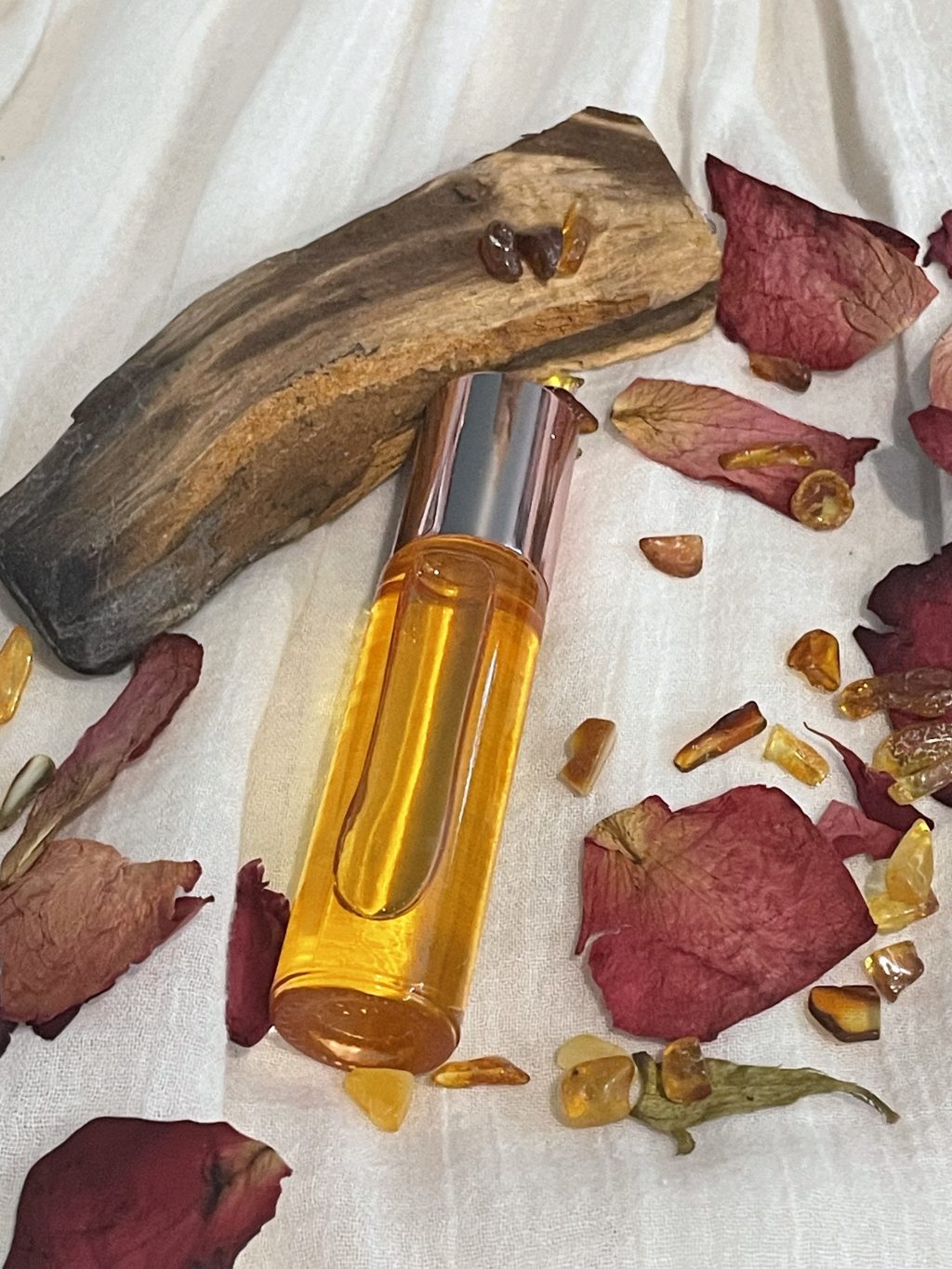
Pink Phoenix by Amy was created around a simple, steady idea: fragrance should feel as honest as it smells. Based in Knox, Indiana and crafted in small batches, each blend is built around essential oils and organic ingredients, not generic fragrance oil bases. The intention is to offer scents that are grounded in nature, thoughtfully composed, and clear about what is — and isn’t — inside.
Instead of hiding behind the single word “fragrance,” Pink Phoenix names real ingredients wherever possible. That means calling out essential oils, carrier oils, and other plant-derived materials rather than grouping everything into one opaque term. When you read a product description or label, the goal is for you to be able to imagine the plants behind the scent: the peel of a citrus fruit, the petal of a flower, the resin of a tree.
This approach is both creative and practical. Working with essential oils and organic ingredients requires respect for their natural limits — they are more nuanced, sometimes more temperamental, and they evolve on the skin. But for Pink Phoenix, that is part of the beauty. Each fragrance becomes a quiet collaboration between the wearer and the botanicals themselves, rather than a fixed idea imposed by synthetics alone.
Becoming an Empowered Fragrance Consumer
You do not need a chemistry degree to make more confident choices. You simply need a few questions to keep in mind:
- Is the word “natural” backed up by specific plant-based ingredients on the label?
- Does the brand explain whether it uses essential oils, fragrance oils, or both?
- Are key ingredients named clearly, or are they tucked away under “fragrance” or “parfum”?
- Does the brand share anything about its sourcing or philosophy, or is “natural” simply a decorative word?
Your preferences may evolve — you might choose all-botanical fragrances, a thoughtful mix of naturals and synthetics, or different options for different occasions. What matters most is that you feel informed and aligned with what you’re wearing on your skin and in your space.
A Gentle Invitation to Explore Pink Phoenix
If you are drawn to fragrances shaped by essential oils and organic ingredients, Pink Phoenix by Amy offers a collection designed for exactly that curiosity. Each blend is crafted with an emphasis on transparency — real ingredients, clearly named — so you can follow the trail from bottle to plant.
You are warmly invited to explore the ingredient stories behind each scent and discover the collection on Etsy, where Pink Phoenix began and continues to grow as an independent, artisanal fragrance brand.


Leave a Reply